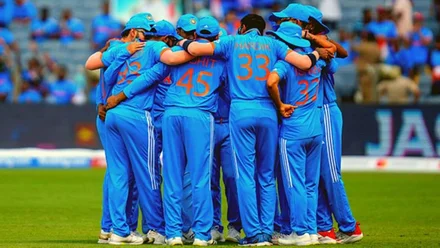

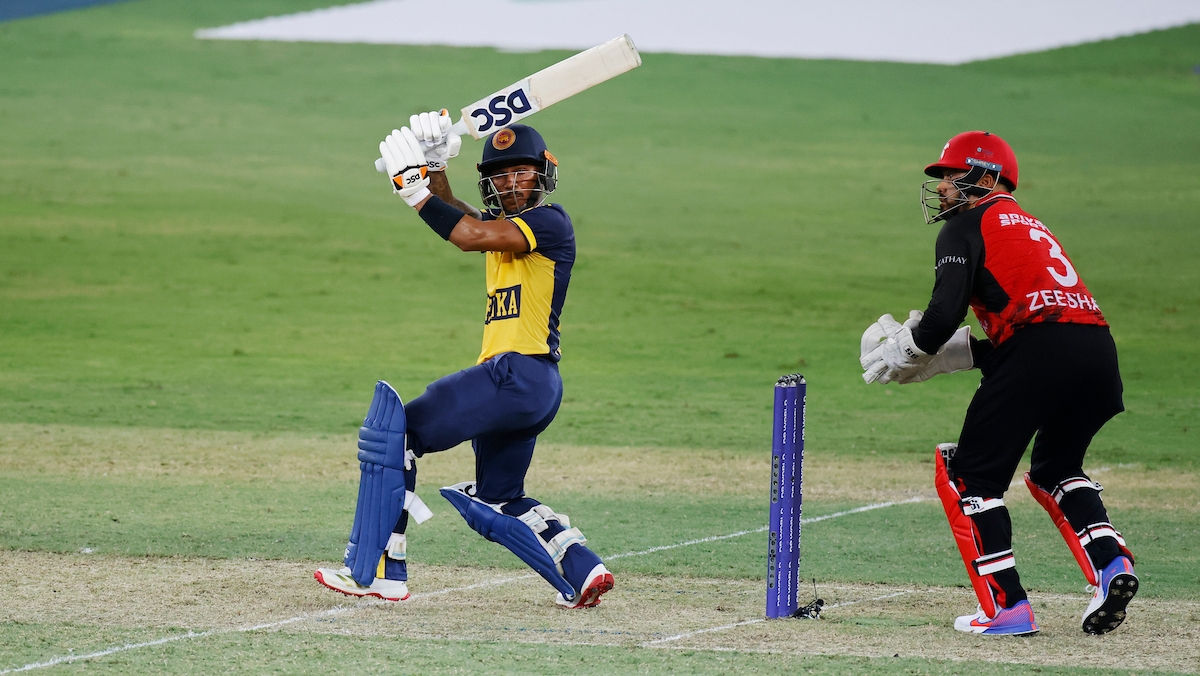
Cricket coaching philosophies vary dramatically from autocratic command approaches to collaborative player-centered methods reflecting different beliefs about optimal development and leadership. Understanding these varied approaches reveals coaching complexity and alternative pathways toward excellence.
Autocratic Coaching Style
Traditional autocratic coaching features strong directive leadership with coaches making unilateral decisions expecting obedience. This approach suits military-style discipline creating clear hierarchies and accountability. Some players thrive under authoritative guidance providing structure and certainty.
However, autocratic methods can stifle creativity and player autonomy undermining intrinsic motivation. Modern players accustomed to more egalitarian environments may resist authoritarian approaches. This style’s effectiveness depends on cultural contexts and individual personalities.
Democratic Collaborative Approach
Democratic coaching involves players in decision-making processes through consultation and discussion. This inclusive approach respects player intelligence and experience creating ownership over team strategies. Collaborative environments often produce better buy-in and commitment.
However, excessive democracy can create decision paralysis or confusing unclear leadership. Finding balance between consultation and decisive leadership proves crucial. Effective democratic coaching maintains clear ultimate authority while valuing player input.
Technical vs Tactical Focus
Some coaches prioritize technical skill development emphasizing proper technique execution. This fundamental approach believes mastering basics enables higher-level performance. Technical coaching suits developing players building foundational skills.
Conversely, tactical coaches emphasize strategic understanding and situational awareness. This approach assumes technical competence focusing on intelligent game management. Elite players often benefit more from tactical than technical guidance.
Process vs Outcome Orientation
Process-focused coaching emphasizes controllable behaviors and performance quality regardless of immediate results. This approach reduces pressure while building long-term excellence. Process orientation particularly suits development contexts.
Outcome-focused coaching prioritizes winning and measurable results. This results-driven approach suits elite professional environments where performance determines employment. However, excessive outcome focus creates unhealthy pressure potentially undermining performance.
Holistic Player Development
Holistic coaching addresses players’ complete development beyond cricket skills including education, character building, and life skills. This comprehensive approach produces well-rounded individuals prepared for life beyond cricket. Holistic philosophy reflects genuine care for players as people.
However, holistic coaching requires significant time and resources sometimes distracting from immediate performance goals. Balancing comprehensive development against competitive demands challenges coaches working within resource constraints.
Data-Driven Analytics Approach
Modern coaches increasingly utilize data analytics informing decisions about tactics, selections, and training programs. This evidence-based approach supplements traditional intuition with objective information. Data-driven coaching represents sport’s scientific evolution.
However, over-reliance on analytics risks ignoring intangible factors including team chemistry, momentum, and psychological elements. Optimal coaching synthesizes data insights with human judgment. Balance prevents data worship while utilizing valuable insights.
Player-Centered Coaching
Player-centered philosophy prioritizes individual player needs, preferences, and development pathways. This personalized approach recognizes that different players require different coaching methods. Individualization maximizes each player’s potential through tailored approaches.
However, individualized coaching demands significant time and energy potentially limiting team size coaches can effectively manage. Scalability challenges arise when attempting player-centered approaches with large squads. Practical constraints sometimes prevent ideal implementation.
Transformational Leadership
Transformational coaching inspires players toward extraordinary effort through vision, personal example, and emotional connection. These inspirational leaders create powerful team cultures through charisma and authentic passion. Transformational leadership produces exceptional cohesion and commitment.
However, transformational leadership requires rare personal qualities making this approach difficult teaching or replicating. Additionally, charismatic leadership sometimes obscures substantive coaching deficiencies. Style shouldn’t substitute for coaching competence.
Servant Leadership Model
Servant leadership inverts traditional hierarchies with coaches serving players’ development and needs. This approach emphasizes facilitating player growth rather than asserting authority. Humble service-oriented coaching can create positive environments.
However, servant leadership can appear weak without clear boundaries and authority. Players may misinterpret humility as indecisiveness or lack of direction. Maintaining respect while serving players requires skilled implementation.
Cultural Context Influences
Coaching philosophy effectiveness depends significantly on cultural context as different societies value different leadership styles. Authoritarian approaches acceptable in some cultures seem oppressive elsewhere. Culturally intelligent coaching adapts to contextual expectations.
Understanding cultural communication norms, hierarchy expectations, and feedback preferences enables effective cross-cultural coaching. Globalized cricket increasingly requires cultural competence. One-size-fits-all approaches fail accounting for cultural diversity.
Mental Skills Integration
Progressive coaches integrate psychological training addressing confidence, concentration, and pressure management. This mental dimension recognition acknowledges psychology’s performance importance. Comprehensive coaching addresses both physical and mental development.
However, psychological coaching requires specialized knowledge beyond traditional cricket expertise. Collaborating with sports psychologists provides expert psychological support. Coaches recognizing limitations seek appropriate specialist assistance.
Technology Integration Philosophy
Some coaches enthusiastically embrace technology utilizing video analysis, wearable sensors, and data platforms. This forward-thinking approach leverages modern tools maximizing information access. Technology integration represents contemporary coaching evolution.
Conversely, some coaches maintain traditional methods skeptical about technology value. This conservative approach emphasizes fundamental coaching relationships over technological mediation. Different philosophies reflect generational and personal preferences regarding technology.
Long-Term vs Short-Term Success
Developmental coaching prioritizes long-term player growth accepting short-term performance fluctuations. This patient approach suits youth and academy contexts building sustainable excellence. However, professional pressure often demands immediate results.
Short-term results-focused coaching seeks immediate success potentially sacrificing long-term development. This approach suits professional environments where job security depends on current results. Time horizon significantly influences coaching philosophy.
Conclusion
Cricket coaching philosophies vary dramatically from autocratic command to democratic collaboration, technical to tactical focus, and data-driven to intuitive approaches reflecting different beliefs about optimal development and leadership. No single philosophy guarantees success as effectiveness depends on contexts, players, and situations requiring adaptive coaching matching approaches to circumstances. Best coaches combine elements from multiple philosophies creating nuanced personal styles respecting coaching complexity. Understanding varied approaches helps coaches developing sophisticated adaptable methods while helping players recognizing that different coaching styles can produce excellence through alternative pathways toward shared goals of player development and competitive success within cricket’s rich tapestry.